How to Build a Dancing Robot That Moves to Music — A Fun Project for Kids
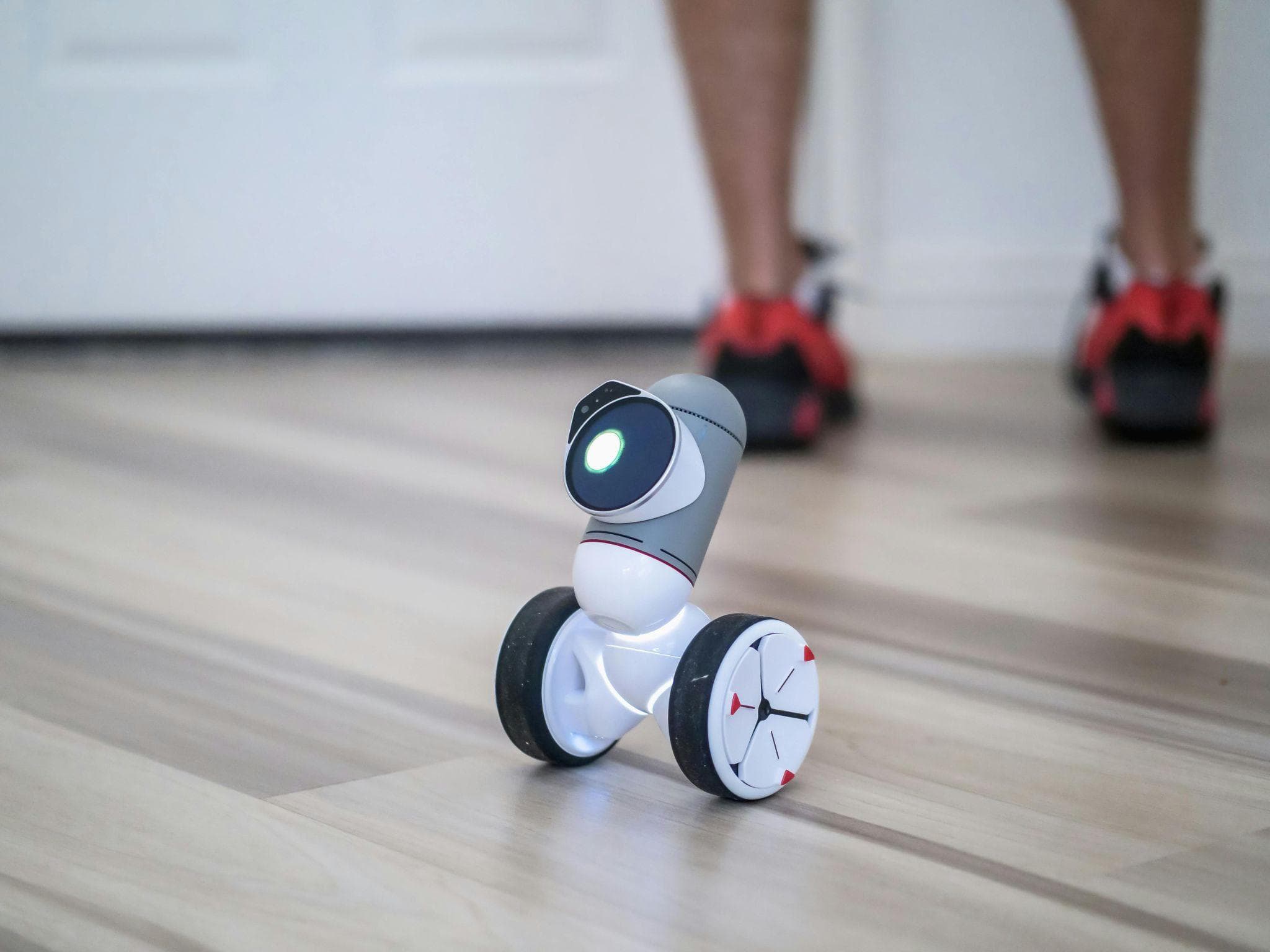
Have you ever seen a robot dance and wondered if you could make one all by yourself? Well, we’ve got good news for you. Making a dancing robot from scratch is easier than you think, and you can do it from home, with your parents checking in on you occasionally. Quickly, let’s show you how to create a robot that grooves to your favorite songs.
The project might be useful for preschool teachers, parents, and even kindergartners with parental support.
What You’ll Need
You’d need certain supplies to create your dancing robot. Here’s a list:
- A small cardboard or tissue box
- Colorful paper
- Markers
- Tape
- Scissors
- Aluminum foil
- Small vibrating motor from an old phone or electric toothbrush
- Two AA batteries
- A battery holder
- A sound sensor
This might sound like a lot, but the reality is that it shouldn’t. You can find most of these items around your house.
Building Your Dancing Robot: A Step-By-Step Guide
Have you gathered all the items we listed earlier? Now, let’s start building. To make a robot that actually grooves to music, here are the steps you’ve got to follow:
Step 1: Make the Body
Start with your cardboard or tissue box. That’s your robot’s body. As such, you’ll want to make sure it looks awesome. On the box, cut two circular holes at the front; these will be the eyes. After that, grab your markers and draw the robot face.
We’re not limiting you, so use your imagination. Prefer a zigzag mouth? An antenna on top? You’re free to create however you want. What’s more, you can also cover parts of the box in aluminum foil so your robot has a futuristic look that wows everyone.
FUN TIP: Add arms created from cardboard stripes or pipe cleaners. They’ll move around when your robot starts to dance, keeping you entertained.
Step 2: Create the Dancing Mechanism
This step is important. Take a vibrating motor and place it inside your box (at the bottom) using some strong tape. The spinning motor will create the vibrations needed for your robot to start moving. It’s the same reason your phone sways left and right when it buzzes.
For the motor to work, you’ll need a battery. So, after placing it inside your cardboard box, connect the motor to a battery holder. Once everything is connected correctly, the motor should start buzzing.
Step 3: Add the Sound Sensor
In this case, an ear will not only function as a decoration but also serve as the sound sensor. This sensor tells the motor to start spinning, which in turn makes your robot dance. For all this to happen, you have to connect the sensor between the battery and the motor.
On most sound sensors, you’ll find a mechanism that you can twist. This twist controls how sensitive the sensor is. Turn it one way, and your robot only dances to loud music. Turn it the other way, and it’ll start moving to even the quietest sounds.
Step 4: Make It Stand
Your robot needs legs to groove, so give it some. You don’t need prosthetics. Instead, you can make your robot’s legs out of wine corks. They’ll serve as little feet that allow your robot to vibrate without falling over. Make sure both legs are well spaced and tape them securely in place. The corks’ bouncy material will help your robot get down as songs play in the background.
It’s Time to Dance!
After creating your robot and adding decorations that tickle your fancy, set it on a flat surface. Once you do, play your favorite songs and see what happens. As soon as the beat drops, your robot should show you what it can do. It might wriggle around, vibrate in one spot, or sway in different directions.
Don’t just play one song, but try a list of your favorites. You’ll be surprised at how differently your robot moves depending on the beat.
Final Thoughts
The best thing about this project is the fact that no two dancing robots are the same. The robot you create will have its special set of moves and personality. After creating a dancing robot, you might consider you could take on a project that lets your robot interact with its surroundings, like building a light- or obstacle-sensing robot.